Quick Guide
- Meet the A-Team: A Rundown of Top Garden Protectors
- How to Attract Beneficial Insects and Make Them Stay
- Buying Beneficial Insects: Does It Work?
- Common Questions About Beneficial Insects (Answered)
- Putting It All Together: A Seasonal Checklist
- The Bigger Picture: Why This Matters Beyond Your Garden
Let's be honest. When you see a bug in your garden, your first instinct might be to grab the nearest spray bottle or shoe. I've been there. For years, I waged a constant, frustrating war against aphids on my roses and caterpillars on my broccoli. I'd spend money on sprays, worry about my kids and pets, and still end up with half-eaten plants. It felt like a losing battle.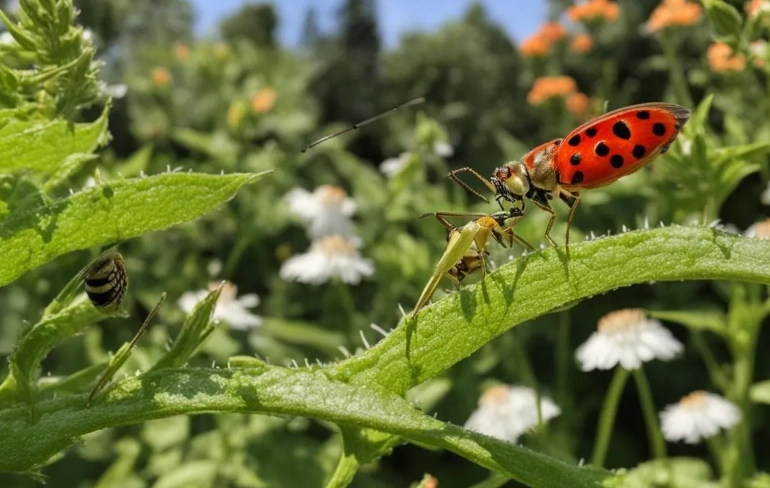
Then I stumbled upon a simple, ancient idea that changed everything: not all bugs are bad. In fact, some are your garden's most loyal bodyguards, pest control experts, and fertility agents, working for free 24/7. We're talking about beneficial insects.
This isn't some niche, hippie concept. It's a core principle of integrated pest management (IPM) supported by decades of agricultural science. The United States Department of Agriculture (USDA) has extensive resources on using beneficial insects for sustainable agriculture. The idea is to work with nature, not against it. Instead of wiping out all insect life (which is impossible and ecologically disastrous), you recruit an army of good bugs to police the bad ones.
Think of your garden as a tiny ecosystem. When you spray broad-spectrum insecticides, you don't just kill the aphids. You also wipe out the ladybug larvae that were about to eat them, the tiny parasitic wasps that were laying eggs inside the caterpillars, and the ground beetles that hunt slugs at night. You create a sterile zone, and guess who moves back in first? The pests. They reproduce faster and have no natural checks left. It's a vicious cycle.
Shifting to a beneficial insect-friendly approach requires a change in mindset. You move from being a sole defender to a ecosystem manager. Your job is to create a welcoming habitat, and then let the experts do their work. The results? A more resilient garden, less work for you, zero chemical costs, and the satisfaction of fostering life. It's genuinely one of the most rewarding parts of gardening for me now.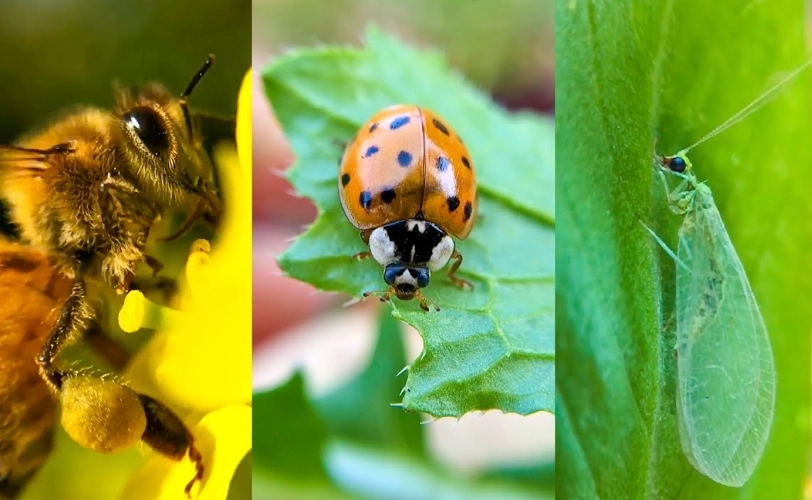
The Core Idea: Beneficial insects are species that provide valuable services like pollination, pest predation, or soil aeration. They are the unpaid workforce of a healthy garden, performing tasks we would otherwise have to do manually or chemically.
Meet the A-Team: A Rundown of Top Garden Protectors
You don't need to know every bug by name. But getting familiar with the major players helps you spot your allies and understand what they do. Here’s a breakdown of the most common and effective beneficial insects you want to attract.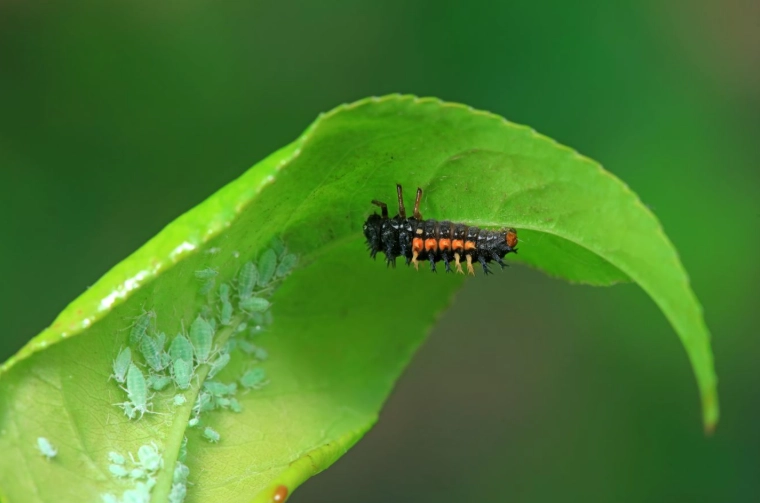
The Predators: The Hunters and Grazers
These guys actively hunt and consume pest insects. They're your frontline defense.
| Insect | What They Look Like | Their Favorite Pest Prey | How to Attract & Keep Them | Cool Fact / Personal Note |
|---|---|---|---|---|
| Ladybugs (Ladybird Beetles) | Round, dome-shaped, usually red/orange with black spots. The larvae look like tiny, spiky, black and orange alligators. | Aphids are their #1 meal. Also eat mites, scale insects, and other soft-bodied pests. A single larva can eat 400 aphids before pupating. | Plant dill, fennel, cilantro, yarrow, and marigolds. They need pollen/nectar when pests are low. Provide shallow water sources. Avoid spraying anything. | Most ladybugs sold in stores are the invasive Asian Lady Beetle, which can outcompete natives and invade homes. I've had better luck attracting native ones than buying them. The larvae are the real eating machines! |
| Lacewings | Delicate, green or brown insects with large, transparent, veined wings. The larvae ("aphid lions") are small, tan, and sickle-jawed. | Voracious consumers of aphids, thrips, mites, mealybugs, and small caterpillars. The larvae are insatiable. | They are attracted to plants with small, nectar-rich flowers like alyssum, dill, and cosmos. They also need sheltered areas to overwinter, like leaf litter or insect hotels. | Frankly, the larvae look a bit creepy, but they are absolute heroes. If you see one, leave it be! They're often more effective than ladybugs. |
| Ground Beetles | Shiny, black, often fast-running beetles that live on the soil surface. They are nocturnal. | Slugs, snails, cutworms, cabbage root maggots, and other soil-dwelling pests. They are a gardener's best friend for below-ground pest control. | Provide permanent ground cover (straw mulch, low plants), stones, or boards for them to hide under during the day. Minimize soil disturbance. | You rarely see them, but they work the night shift. I found a huge population under a permanent straw mulch path in my vegetable garden. My slug problem vanished. |
| Hoverflies (Syrphid Flies) | Look like small bees or wasps but only have two wings and hover magically in place. The larvae are legless, tapered maggots. | The larvae consume vast numbers of aphids. Adults are important pollinators. | They are strongly attracted to flat, open flowers like those of the aster family, parsley, and buckwheat. They need a succession of blooms. | A master of disguise. People often swat at them thinking they're wasps, but they're completely harmless and incredibly beneficial. The larvae are ugly but efficient. |
| Praying Mantises | Large, green or brown, with iconic folded "praying" forelegs. | They are generalist predators and will eat almost any insect they can catch, including pests and, unfortunately, other beneficial insects. | Tall grasses, shrubs, and perennial plants provide hunting grounds. They lay egg cases (oothecae) on sturdy stems. | I have mixed feelings. They're fascinating to watch, but they are not selective. They'll eat your butterflies and bees just as happily as a grasshopper. They're cool, but not the most efficient targeted pest control. |
The Parasitoids: The Inside Job
This group is straight out of a sci-fi movie, but it's nature's way. Parasitoid insects lay their eggs *inside or on* a host pest. The egg hatches, and the larva consumes the host from the inside, eventually killing it. It's gruesome but spectacularly effective.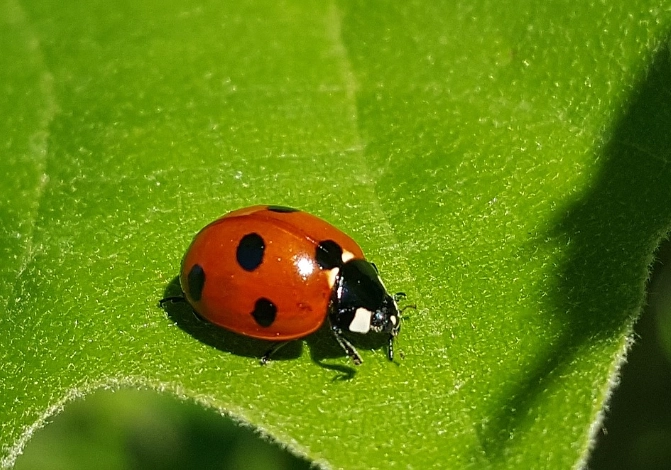
Braconid and Ichneumonid Wasps: These are tiny, often stingless wasps you'll probably never notice. But you'll see their handiwork. The most famous example is the tomato hornworm covered in white, rice-like cocoons. Those are the pupae of a braconid wasp. The caterpillar is doomed, and a new generation of pest-killers is born. They target caterpillars, aphids, and beetle larvae. They love small-flowered plants like those in the carrot family (Queen Anne's lace, dill).
Trichogramma Wasps: These are microscopic wasps that parasitize the eggs of over 200 pest species, including cabbage worms, corn borers, and fruit worms. You can't attract them with specific plants as easily; they are often purchased and released for specific problems in larger gardens or farms. The University of California's Statewide Integrated Pest Management Program has detailed guides on their use.
A Common Mistake: People see "wasps" and panic. The vast majority of parasitoid wasps are incapable of stinging humans. They are so small they're often mistaken for gnats. They are among the most important beneficial insects in the world for controlling pest populations.
The Pollinators & Recyclers
While not direct pest controllers, these insects are vital for garden health and fruit production.
Native Bees & Butterflies: Essential for pollinating most fruiting crops. Their needs (pollen, nectar, host plants) align perfectly with other beneficial insects.
Soldier Beetles: Look like slender fireflies. Adults pollinate flowers while feeding on nectar and pollen, and they also eat some pest insect eggs and larvae. A great two-for-one insect.
Rove Beetles & Springtails: These are the cleanup crew in the soil, breaking down organic matter and helping to control fungus gnats and other decomposers. Healthy, compost-rich soil is full of them.
So, you're convinced you want these allies. But how do you get them to visit, and more importantly, stick around?
How to Attract Beneficial Insects and Make Them Stay
Attracting beneficial insects isn't about buying a bag of ladybugs and dumping them out (that rarely works long-term). It's about creating a permanent, welcoming habitat. Think of it as building a neighborhood with all the amenities: food, water, shelter, and safety.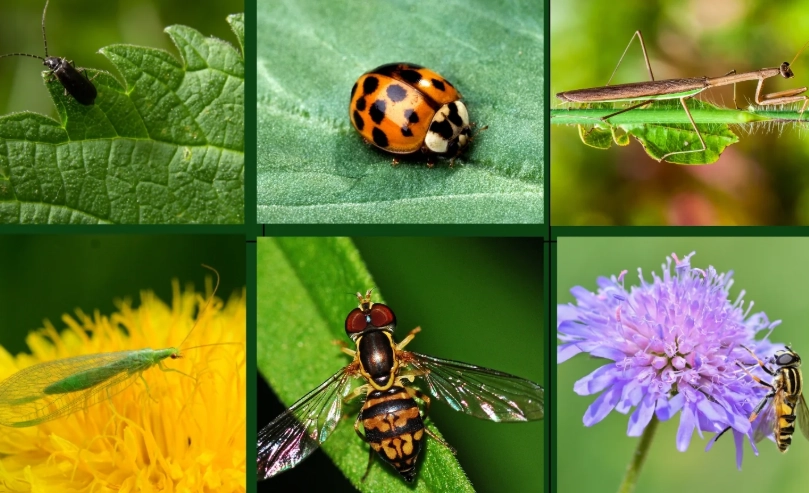
Step 1: Stop the Poison. Immediately.
This is non-negotiable. Broad-spectrum chemical insecticides (like most common pyrethroids, malathion, carbaryl) are nuclear bombs to your insect ecosystem. They don't discriminate. Even "organic" pesticides like neem oil or insecticidal soap can harm beneficials if sprayed directly on them or their larval stages.
Your first and most powerful action is to put the spray bottle away. Tolerate a little damage. It takes time for the predator population to find the pest buffet and build up their numbers. You have to be patient. If you must intervene, use targeted methods like hand-picking, strong blasts of water for aphids, or very precise applications of soap spray only on heavy infestations, in the evening when pollinators are less active.
This was the hardest step for me. Seeing those first few aphids and doing nothing felt wrong. But within two weeks, I started seeing ladybug larvae. By three weeks, the aphid colony was gone, controlled by insects, not by me. It was a revelation in trust.
Step 2: Plant a Bug Buffet (Nectar & Pollen Plants)
Adult predators and parasitoids often need nectar and pollen for energy, especially when pest populations are low. By planting the right flowers, you provide them with a reliable food source so they don't leave your garden.
What makes a good "insectary" plant?
- Small, open flowers: Tiny wasps and flies can't access deep, complex flowers. They need easy-to-land platforms with exposed nectar. Think umbrella-shaped flowers (dill, fennel, cilantro), or tiny clustered flowers (alyssum, buckwheat, sweet alyssum).
- Long bloom times: Aim for something flowering from spring to fall. This is where perennial herbs and flowering plants shine.
- Diversity: Plant a variety to support different insects throughout the season.
My Top 5 Workhorse Plants for Beneficial Insects:
- Dill, Fennel, Cilantro (let them flower!): The absolute best. They attract hoverflies, lacewings, ladybugs, and parasitoid wasps like magnets. I let a few plants go to seed in every corner of my garden.
- Alyssum: A low-growing, sweet-smelling annual that blooms forever. A powerhouse for hoverflies and providing ground cover for beetles.
- Yarrow: A tough perennial with flat flower clusters. Attracts ladybugs, hoverflies, and small wasps. Comes in lovely colors too.
- Cosmos: Easy to grow from seed, tall, and provides both nectar and great hiding places for predators. Lacewings love them.
- Native Wildflowers: Check with your local extension service (like the Penn State Extension or University of Minnesota Extension) for lists of native plants that support local beneficial insect populations. Natives are always the best fit.
Step 3: Provide Shelter & Overwintering Sites
Insects need places to hide from birds and bad weather, to lay eggs, and to survive the winter. A perfectly tidy garden is a desert for them.
- Leave the Leaves: A layer of leaf litter under shrubs is a five-star hotel for ground beetles, lacewing eggs, and butterfly chrysalises.
- Mulch: Organic mulch (wood chips, straw) provides habitat for spiders and ground-dwelling predators.
- Rock Piles or Logs: A simple pile of rocks or a few old logs in a sunny spot creates perfect crevices for shelter.
- Insect Hotels: You can buy or build these. Fill them with hollow stems, drilled wood, and pine cones. They are especially good for solitary bees and lacewings.
- Don't Clean Up Too Early: Wait until late spring to cut back dead perennial stems. Many insects overwinter in them.
Step 4: Provide a Water Source
All creatures need water. A shallow birdbath with stones or marbles for landing spots works perfectly. A saucer filled with pebbles and water is even easier. Just keep it topped up and clean.
Pro Tip: Integrate these plants and features throughout your garden, not just in one corner. You want beneficial insects to be everywhere pests might pop up. Interplant your vegetables with flowers and herbs. This "companion planting" approach confuses pests and keeps predators close to the action.
Okay, you've set the stage. But what about specific problems? And what about buying bugs?
Buying Beneficial Insects: Does It Work?
This is a big question. The short answer is: sometimes, but it's often not the best first step.
Companies sell ladybugs, lacewings, praying mantis egg cases, and nematodes. Here's the real deal:
The Problem with Buying: Released insects often have high dispersal rates. They fly away because they weren't born there and don't recognize your garden as home. Store-bought ladybugs are often harvested from wild, overwintering aggregations, which can deplete native populations. They're also usually thirsty and hungry when released, so if you don't have immediate water and pest prey, they'll leave or die.
When It Can Work:
- In Enclosed Spaces: Greenhouses are ideal for releasing purchased beneficials like predatory mites or parasitoid wasps.
- For a Specific, Heavy Infestation: If you have a serious, localized outbreak (e.g., a major whitefly problem on your tomatoes), releasing a large number of a specific predator (like *Encarsia formosa* wasps for whiteflies) can help tip the scales, provided you also have the habitat for them to establish.
- Nematodes: These are microscopic worms you water into the soil for grub or flea beetle control. They can be very effective for specific soil-dwelling pests.
My personal stance? Focus 95% of your effort on habitat creation. That builds a permanent, self-sustaining population. View purchased insects as a potential, targeted booster shot for a severe problem, not as the foundation of your strategy.
Common Questions About Beneficial Insects (Answered)
Putting It All Together: A Seasonal Checklist
To make this practical, here's a simple, seasonal to-do list to keep your beneficial insect community thriving.
Early Spring:
- Delay major cleanup. Cut back last year's perennial stems only when new growth is well underway.
- Direct sow insectary plants like alyssum and dill as soon as soil can be worked.
- Set out shallow water dishes.
Late Spring/Summer:
- Interplant flowers and herbs among your vegetables.
- Keep water sources fresh.
- Observe! Spend time watching what insects are visiting your plants. It's fascinating.
- If pests appear, wait, watch, and see if predators find them. Intervene only if damage is severe and spreading rapidly.
Fall:
- Plant fall-blooming flowers like sedum or let your brassicas flower (they attract tons of beneficials).
- Leave seed heads for birds and overwintering insects.
- Spread fallen leaves as mulch in garden beds.
Winter:
- Plan next year's garden with beneficial insect habitat in mind. Order seeds for key insectary plants.
- Appreciate the quiet. Your allies are sleeping just beneath the surface.
The Bigger Picture: Why This Matters Beyond Your Garden
Cultivating beneficial insects isn't just a gardening hack. It's a small but meaningful act of ecological restoration. Insect populations worldwide are declining due to habitat loss and pesticide use. By turning your garden, balcony, or community plot into a sanctuary, you're creating a vital refuge.
You're also building a more resilient food system. You're not reliant on external chemical inputs. Your garden can bounce back from pest pressures naturally. The knowledge you gain is empowering. You learn to read the subtle signs of your garden's health—the presence of a ladybug larva, the buzz of a hoverfly, the neat round holes in a leaf where a leafcutter bee has been.
It starts with a simple decision: to see insects not as enemies, but as potential partners. To provide a place for them to live and work. The reward is a garden that feels more alive, more balanced, and more truly your own—a collaborative effort between you and thousands of tiny, essential creatures.
So, put down the spray. Plant some dill. Get a little messy. And welcome your garden's best friends home.