Quick Guide
You know that feeling. You bring home a beautiful plant, follow the instructions to a T, water it just right, give it sunlight... and then it just sits there. It doesn't die, but it sure doesn't thrive either. Leaves might yellow, growth is stunted, and blooming? Forget about it. For years, I blamed my “black thumb.” Turns out, I wasn't the problem. The problem was what I was planting in. I was ignoring the foundation of everything: the soil.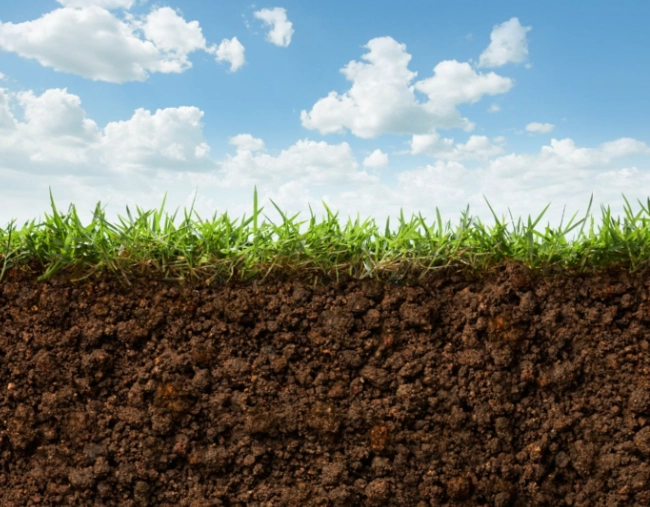
It’s easy to think of soil as just “dirt” – that brown stuff you get under your fingernails. But that's like calling a gourmet meal “food.” Real soil is a wild, complex, and utterly fascinating universe. It’s a living, breathing ecosystem teeming with more microorganisms in a single handful than there are people on Earth. It’s the pantry, water reservoir, and structural support system for every single plant you'll ever grow. Get the soil right, and gardening shifts from a constant battle to a joyful collaboration.
So, let's dig in. This isn't a scientific textbook. It's a practical, from-the-ground-up guide I wish I'd had when I started. We'll figure out what you're working with, how to fix it, and how to build a healthy soil foundation that makes your garden practically run itself.
First Things First: What Kind of Soil Do You Actually Have?
Before you buy a single bag of fertilizer or amendment, you need to know your starting point. Throwing random products at your garden is expensive and often makes things worse. Identifying your primary soil type is the crucial first step. It all comes down to particle size.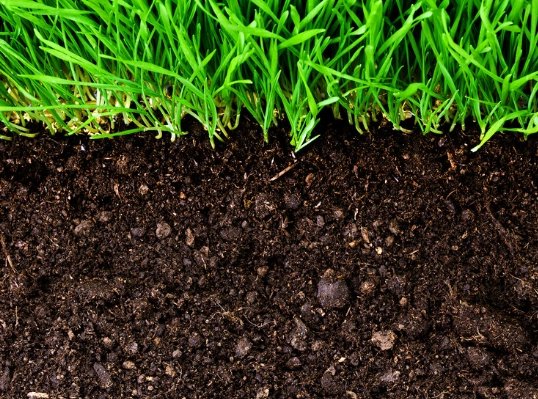
The main players are sand, silt, and clay. The percentage of each in your soil determines its “texture” and, consequently, its personality—its strengths and its massive, frustrating weaknesses.
The Big Three: Sand, Silt, and Clay
Here’s a quick breakdown of each component's personality: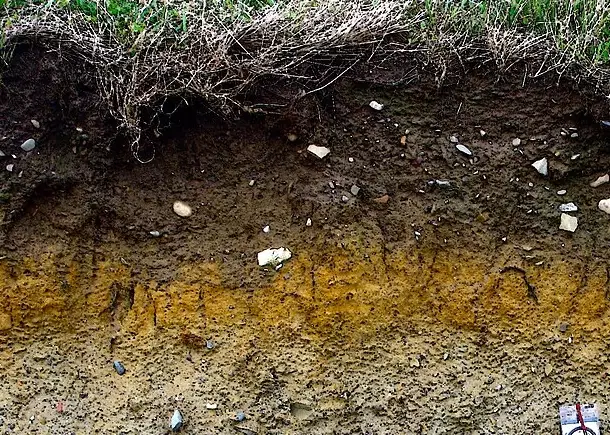
| Component | Particle Size | Personality & Pros | Frustrating Cons |
|---|---|---|---|
| Sand | Large (0.05 - 2.0 mm) | Great drainage, warms up fast in spring, easy to work. | Dries out too quickly, nutrients wash right through (leaching), low fertility. |
| Silt | Medium (0.002 - 0.05 mm) | Feels soft and floury, holds moisture and nutrients better than sand. | Can compact easily, may form a crust, can be eroded by wind/water. |
| Clay | Very Small (< 0.002 mm) | Holds nutrients and water incredibly well, high fertility potential. | Terrible drainage, becomes rock-hard when dry and sticky when wet, slow to warm up, difficult for roots to penetrate. |
Most garden soil is a mix of these three, which gives us the common texture classes. The ideal mix is called “loam” – roughly 40% sand, 40% silt, and 20% clay. It’s the sweet spot: good drainage, good moisture retention, good fertility, easy to work. But let's be real, most of us aren't starting with perfect loam.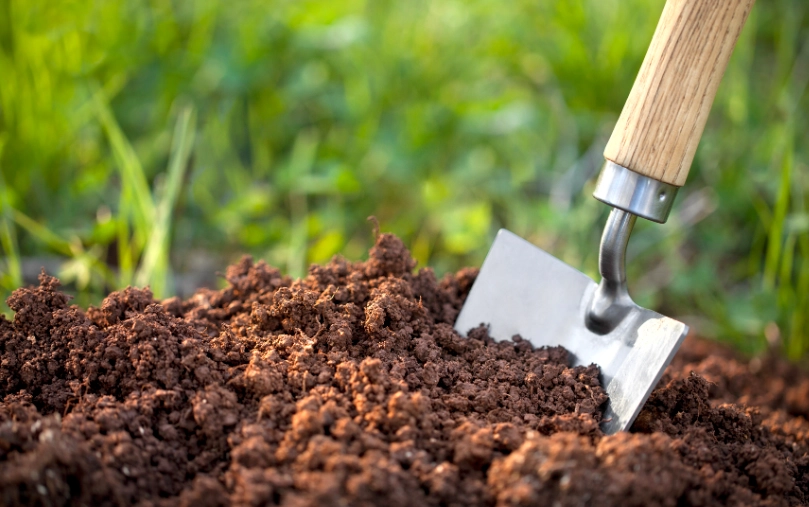
The Simple Jar Test: Your DIY Soil Detective Kit
You don't need a lab to get a good idea. Try the mason jar test. Grab a clear jar, fill it about one-third with soil from a few inches below the surface (not just the top). Add water until the jar is almost full, add a drop of dish soap (to help particles separate), shake it violently for a few minutes, and let it settle for 24-48 hours.
The layers will tell the story. Sand settles at the bottom first (within minutes), then silt, and finally clay on top. The organic matter might float. Measure the height of each layer to estimate your percentages. It’s not perfect, but it’s incredibly revealing. Is your jar half sand? You've got drainage issues (the wrong kind). Is there a huge layer of fine, goopy stuff on top? Hello, clay.
But texture is only half the story. The other critical factor is what's in your soil – the nutrients and the chemistry. For that, you need a test.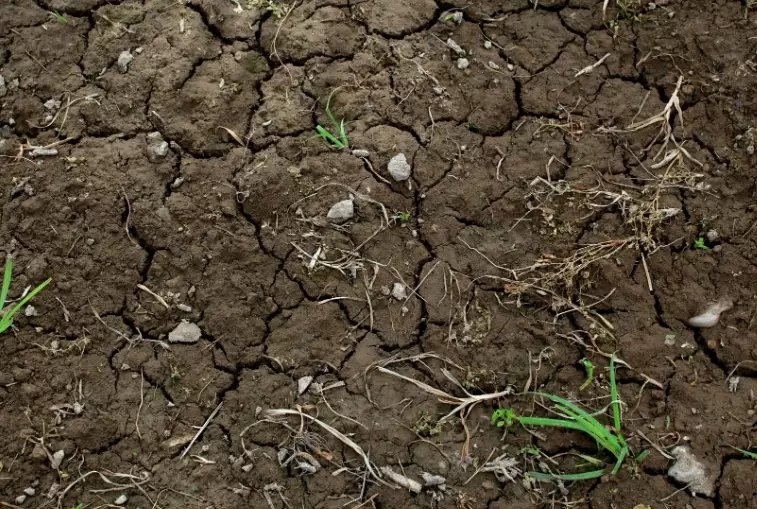
The Truth About Soil Testing: Why Guessing is a Waste of Money
I used to look at my sad tomato plants and think, “They need more fertilizer!” So I'd dump some all-purpose feed on them. Sometimes they'd perk up briefly, then go back to looking miserable. I was treating the symptom, not the cause.
A soil test is like a blood test for your garden. It tells you exactly what's missing, what's in excess, and the overall pH (acidity/alkalinity) balance. This is non-negotiable for serious gardening. Why?
- It Saves You Money: You stop buying amendments you don't need. If your phosphorus is already sky-high, adding more is useless and can actually harm plants and the environment.
- It Solves Mysteries: Yellowing leaves (chlorosis) can be caused by iron deficiency, but that deficiency is often induced by soil that's too alkaline. Adding iron won't help if you don't fix the pH first. The test tells you this.
- It Gives You a Baseline: You can track changes over seasons and see the impact of your improvements.
How to Get a Reliable Soil Test
Forget the cheap plastic probes or color-changing kits from the big-box store. They're notoriously inaccurate. You have two good options:
- Your Local Cooperative Extension Office: This is the gold standard and often very affordable. These are usually affiliated with state universities (like the USDA's Cooperative Extension System). They provide scientifically valid tests and, crucially, interpretation and recommendations tailored to your region and what you want to grow. Search for “[Your County] cooperative extension soil test.”
- Reputable Private Labs: There are several well-regarded national labs. They’re a great option if your local extension doesn't offer the service.
The process is simple: you collect small samples from several spots in your garden bed, mix them together in a clean bucket, and send in the specified amount. Always follow the lab's sampling instructions to the letter.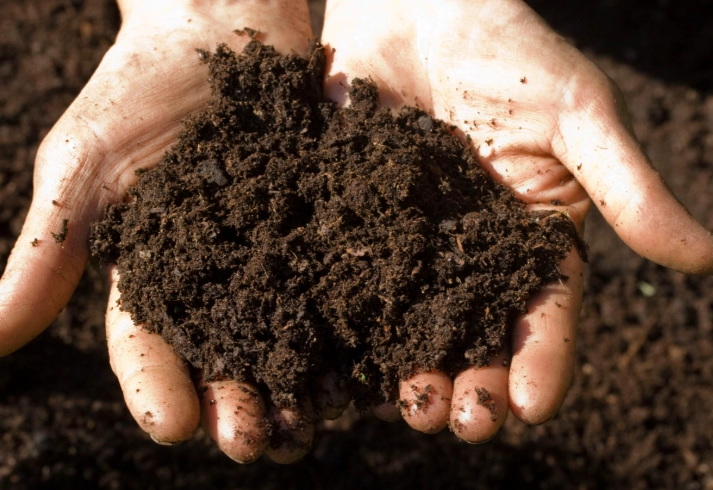
Decoding Your Soil Test Report: pH, N-P-K, and Beyond
The report can look intimidating, but you only need to focus on a few key numbers:
1. Soil pH: This is a measure of acidity/alkalinity on a scale of 0 (acidic) to 14 (alkaline), with 7 being neutral. It's a big deal because it controls nutrient availability. Most plants prefer a slightly acidic range of 6.0 to 7.0. If your pH is 8.0 (alkaline), nutrients like iron, manganese, and phosphorus get “locked up” and plants can't access them, even if they're physically present in the soil. Blueberries, on the other hand, need very acidic soil (4.5-5.5).
2. Primary Nutrients (N-P-K):
- N (Nitrogen): For green, leafy growth. It's mobile and washes away easily, so it often needs regular replenishment.
- P (Phosphorus): For root development, flowering, and fruiting. It binds tightly to soil particles and doesn't move much.
- K (Potassium): For overall plant health, disease resistance, and stem strength.
3. Secondary Nutrients & Micronutrients: Calcium, magnesium, sulfur, iron, zinc, etc. These are needed in smaller amounts but are just as critical. Deficiencies here cause very specific problems.
The best part of an extension report is the recommendation page. It will literally say, “For your vegetable garden, apply X pounds of lime per 100 sq ft to raise pH,” or “Apply Y pounds of a 10-0-10 fertilizer.” It takes the guesswork out.
Fixing Common Soil Problems: A Practical Action Plan
Okay, you've identified your soil type and gotten your test results back. Now what? Here’s how to tackle the most common issues, based on what I've learned (often the hard way).
Problem 1: Heavy, Poorly Draining Clay Soil
This was my nemesis. Water pools, it's a brick in summer, a slip-and-slide in spring, and roots struggle to breathe.
The Fix is Organic Matter, Not Sand: The long-term, permanent solution is to incorporate massive amounts of organic matter. This does a few magical things: it creates tiny pores and glue-like substances that bind clay particles into larger, crumblier aggregates. This improves drainage and aeration while still letting clay hold onto its nutrient superpowers.
What to Add & How:
- Compost: The king of amendments. Well-rotted, finished compost is perfect. Work in a 2-4 inch layer on top of your beds and gently till or fork it in. Do this in the fall so it has time to integrate over winter.
- Leaf Mold: Simply decomposed leaves. It's fantastic for improving structure and hosting beneficial fungi.
- Cover Crops (Green Manure): Plant crops like winter rye, clover, or buckwheat in the off-season. Their roots break up compaction, and when you turn them under, they add organic matter. The SARE program has excellent resources on this.
You have to be patient. Transforming heavy clay is a multi-year process, not a one-season miracle.
Problem 2: Fast-Draining, Hungry Sandy Soil
Water and nutrients vanish like money in my wallet at a garden center.
The Fix is (Again) Organic Matter, for a Different Reason: Here, organic matter acts like a sponge. It increases the soil's water- and nutrient-holding capacity dramatically.
What to Add & How: All the same amendments as for clay (compost, leaf mold) work wonders. Also consider:
- Biochar: This is a special, porous form of charcoal that can help sandy soil retain water and nutrients. It's a more advanced amendment, but research from institutions like USDA shows promise for its long-term carbon sequestration benefits too.
- Frequent, light applications of compost are key. Mulching heavily on the surface is also critical to prevent moisture loss.
Problem 3: Incorrect pH (Too Acidic or Too Alkaline)
This is where your soil test is your guide. You can't guess this one.
- To RAISE pH (Make Less Acidic): Apply lime. The type and amount depend entirely on your soil test and current pH. It works slowly, so apply in fall.
- To LOWER pH (Make More Acidic): Apply elemental sulfur or aluminum sulfate (sulfur works more slowly but is longer-lasting). This is often needed for growing blueberries, azaleas, or rhododendrons in neutral soil. Again, follow test-based rates.
Trying to change pH without a test is like adjusting a thermostat blindfolded.
Problem 4: Compaction
That feeling when your shovel just bounces off the ground. Compaction squeezes out the air pockets roots and soil life need.
Short-Term Fix: Use a broadfork (my favorite tool) or a garden fork to gently lift and loosen the soil without inverting and destroying its layered structure. Avoid tilling when the soil is wet, especially clay—you'll make compaction worse.
Long-Term Fix: Plant deep-rooted cover crops (like daikon radish), add organic matter, and stop walking on your beds! Use designated paths. Soil life (especially earthworms) will do the aeration work for you if you feed them and stop squashing their home.
Building Healthy Soil: It's About Feeding the Life Within
This is the mindset shift that changed everything for me. You're not just feeding plants; you're managing an ecosystem. The goal is to create a thriving, self-sustaining soil food web.
Think of organic matter as the currency of this ecosystem. Fungi, bacteria, earthworms, and countless other critters break it down, releasing nutrients in a form plants can use. Their activity creates soil structure. They even help suppress diseases. Your job is to keep them well-fed and undisturbed.
Here’s the practical toolkit for building soil health:
- Compost: Your go-to source of organic matter and a diverse inoculant of life.
- Mulch: A protective blanket (wood chips, straw, shredded leaves) on the soil surface. It conserves moisture, suppresses weeds, moderates temperature, and slowly breaks down to feed the soil from the top down. This mimics the natural forest floor.
- Reduced Tillage: Constant tilling and turning destroys fungal networks, burns up organic matter quickly, and brings weed seeds to the surface. Adopt “no-dig” or “low-till” methods. Add amendments on top and let worms incorporate them.
- Diverse Plantings & Crop Rotation: Different plants have different root structures and exude different substances from their roots, which feed different microbes. Monocropping depletes specific nutrients. Rotate your veggie families and plant polycultures.
The United Nations' Food and Agriculture Organization (FAO) has tons of resources on the global importance of soil health, framing it not just as a gardening issue, but a critical one for food security and the environment.
Putting It All Together: Your Soil-Centric Gardening Checklist
Let's wrap this up with a simple, actionable plan. Forget trying to do everything at once. Pick one or two things to start with this season.
Season 1: The Discovery Phase
- Do the jar test. Get a feel for your soil texture.
- Get a proper soil test from your extension office. This is your single most important task.
- Based on the test, apply any pH corrections (lime/sulfur) in the fall.
- Start a compost pile or find a source of good compost.
Season 2: The Action Phase
- In spring or fall, incorporate 2-3 inches of compost into your planting beds.
- Mulch everything after planting.
- Plant a cover crop in any bed that will be empty over winter.
- Observe! Do plants look healthier? Does water soak in better?
Ongoing Habits:
- Add a thin layer of compost to beds every year.
- Mulch religiously.
- Rotate your crops.
- Get a soil test every 3-4 years to monitor progress.
The journey with soil never really ends, and that's the beautiful part. It's a relationship. You learn to read its cues—how it feels in your hand, how it smells after a rain (that sweet, earthy smell is from soil bacteria, by the way). You stop fighting it and start working with it.
I still have areas in my garden that are a work in progress. My native soil will always be clay-heavy. But now I know how to manage it. The plants are healthier, the weeds are less oppressive, and watering is less of a frantic chore. It all started when I finally looked down and paid attention to the ground beneath my feet.
So, grab a handful of your garden soil today. Really look at it. Is it clumpy? Gritty? Does it hold together? That's your starting point. Your most important gardening partner is waiting for you to say hello.