Quick Navigation
Let's be real, nobody wants ants in their kitchen. You turn around for one second, and there it is—a tiny black trail of them marching proudly across your countertop, headed straight for that drip of honey you missed. It's frustrating, it feels invasive, and honestly, a little disrespectful. But before you reach for the strongest chemical spray you can find (and trust me, I've been there), there's a whole lot more to the story of the common ant.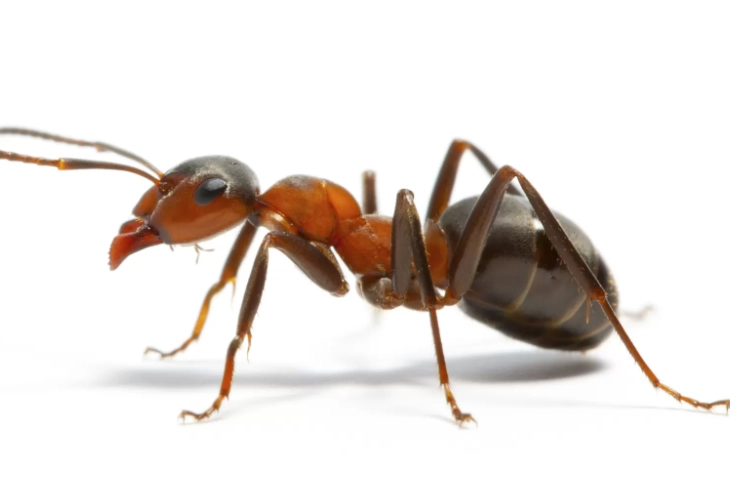
I remember one summer, my battle with a particularly persistent colony of odorous house ants turned into a weeks-long saga. I tried everything from store-bought traps to homemade vinegar solutions. Some things worked for a day, others not at all. It was this experience that sent me down the rabbit hole, talking to exterminators, reading entomology papers from universities, and realizing that most of us are fighting ants all wrong. We treat them as a simple nuisance, but understanding them is the real key to winning the war.
This guide is everything I wish I'd known back then. We're not just going to talk about killing ants; we're going to understand them. Why are they in your house? What kind are they? What's the smartest, safest way to encourage them to leave? And along the way, we'll uncover some mind-blowing facts about these tiny creatures that rule the world under our feet.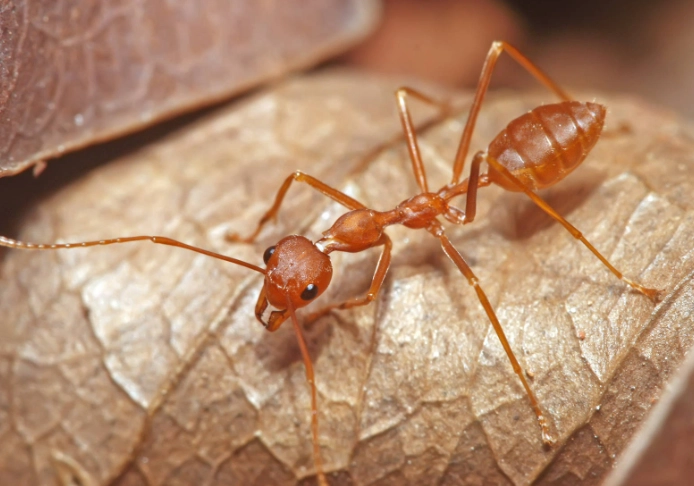
The Ant Basics: What You're Actually Dealing With
First thing's first. An ant isn't just a random bug. It's a highly organized social insect, part of the family Formicidae. Think of a single ant you see as a tiny soldier or worker, utterly devoted to a queen hidden away somewhere safe (often outside, sometimes in your walls). That ant's sole purpose is to find food and bring it back to feed the colony. So when you see one scout ant, it's a probe from a much larger organization.
The Ant Social Structure: A Well-Oiled Machine
Every ant colony operates like a superorganism. The queen's job is reproduction—she can live for years, laying thousands of eggs. The workers you see are all sterile females. They handle foraging, nursing the young, defending the nest, and keeping everything clean. Males exist only to mate with new queens and then die. This rigid caste system is why they're so efficient. Destroying a few workers does nothing to the colony's heart. You have to target the queen.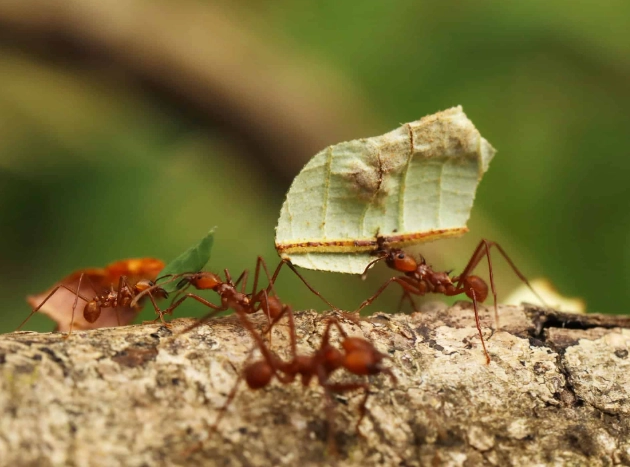
The Ant Lifecycle: From Egg to Adult
It starts as a tiny egg, laid by the queen. These hatch into legless, grub-like larvae that are fed constantly by worker ants. After growing, they pupate—some species spin a cocoon, which is what we often mistakenly call an "ant egg." Finally, a full-grown adult ant emerges. This complete metamorphosis (egg, larva, pupa, adult) is crucial. Disrupting the food supply to the larvae can cripple a colony's growth.
Their communication is another key to their success. Ants primarily "talk" through chemicals called pheromones. That trail you see? That's a pheromone highway, laid down by the first scout to find your cookie crumbs, telling every other ant exactly where to go. Breaking this trail is a great first defense.
Common House-Invading Ants: Know Your Enemy
Not all ants are the same. The strategy that works for sugar-loving ants might fail miserably against protein-seeking ones. Proper identification is your first, most powerful step. Here’s a breakdown of the usual suspects you’ll find indoors.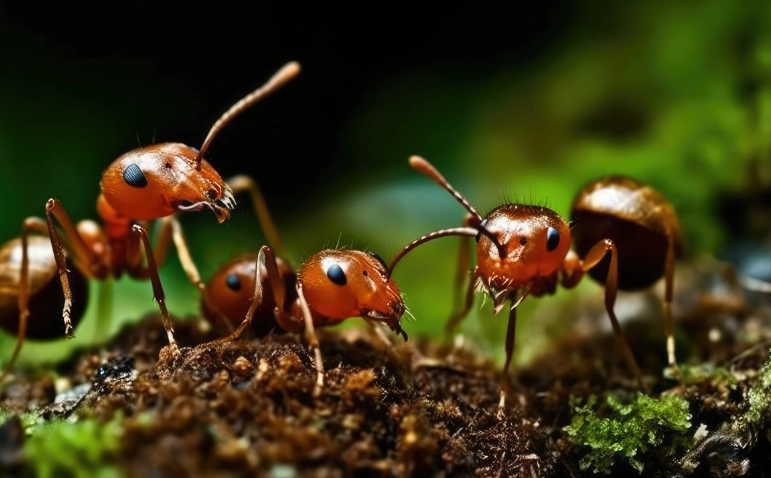
| Ant Species | Key Identifying Features | Preferred Food | Nesting Habits & Notes |
|---|---|---|---|
| Odorous House Ant | Small (1/8 inch), dark brown/black. When crushed, emits a strong, rotten coconut-like smell. | Sweets, especially honeydew and sugary spills. | Nests outdoors under mulch, stones, or logs. Enters homes seeking moisture and sugar. Forms massive supercolonies with many queens. |
| Pavement Ant | Small (1/8 inch), dark brown/black. Has parallel lines (grooves) on head and thorax. Fights other colonies in visible swarms. | Greasy foods, meats, seeds, and sweets. | Nests under pavements, driveways, and foundation slabs. Mounds soil at nest entrances. Common in cracks of foundations. |
| Carpenter Ant | Large (1/4 to 1/2 inch), usually black, sometimes red/black. Has a smoothly rounded thorax (midsection). | Does not eat wood. Prefers sweets and proteins (insects, pet food). | Excavates moist, decaying wood to create smooth galleries for nesting. Can cause structural damage. A sign of a moisture problem. |
| Argentine Ant | Small (1/8 inch), light to dark brown. Does not swarm aggressively. Forms dense, continuous trails. | Omnivorous, but heavily favors sweets. | Forms enormous, cooperative supercolonies, often with multiple nesting sites. Highly adaptable and dominant, displacing native ant species. |
| Red Imported Fire Ant | Small to medium (1/8 to 1/4 inch), reddish-brown. Builds large, dome-shaped mounds in soil. | Omnivorous—plants, insects, seeds, and greasy foods. | Aggressive! Delivers a painful, burning sting. Primarily an outdoor pest but will forage indoors for food. For authoritative information on their spread and impact, the USDA's Fire Ant page is an essential resource. |
See what I mean? A carpenter ant problem means you likely have a wood rot issue to fix. Fire ants are a health hazard. Knowing which ant you have changes the game plan completely.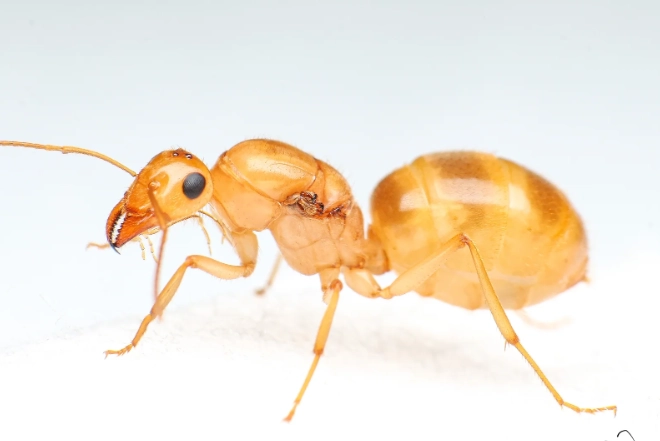
How to Get Rid of Ants: The Smart, Layered Approach
Okay, down to business. You have ants. What now? The goal isn't just to kill the ones you see—it's to make your home so unattractive and dangerous to their colony that they give up. This is called Integrated Pest Management (IPM), and it's what the pros use.
Step 1: Sanitation – Cut Off the Food Supply
This is non-negotiable and 100% your responsibility. An ant colony is a food-gathering machine. Stop the food, and you stop the reason for the invasion.
- Wipe, wipe, wipe: Counters, tables, stovetops, and floors need to be crumb-free. Pay special attention to sticky spots from juice or syrup.
- Seal it up: Get airtight containers for sugar, flour, cereal, and pet food. A zip-top bag isn't good enough—ants can chew through them.
- Manage trash: Use a trash can with a tight lid. Take it out regularly, especially in warm weather.
- Pet bowls: Don't leave pet food sitting out all day. Pick it up after mealtime.
I know it sounds basic, but you'd be amazed. When I finally got militant about cleaning my cat's food bowl right after he ate, the ant traffic to that corner of the kitchen dropped by 80% overnight.
Step 2: Exclusion – Seal the Entry Points
Ants can fit through a crack the width of a credit card. Your job is to find and seal those highways.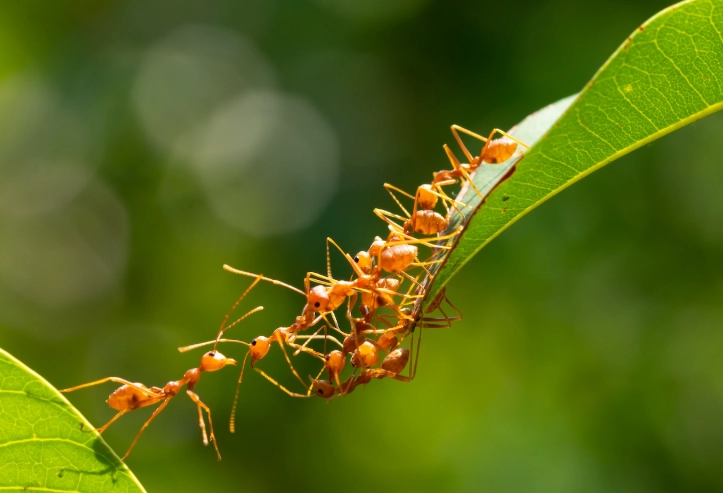
Use a quality silicone caulk to seal cracks and crevices in foundations, around windows, and where utility pipes enter. Install door sweeps on exterior doors. Repair torn window screens. This isn't just for ants; it helps with all sorts of pests.
Step 3: Direct Control – Choosing Your Weapons
Here's where people often go wrong. They grab a can of spray and blast the trail. This kills the workers you see, but it often just causes the colony to splinter and send out more scouts (a process called budding). It can make the problem worse. You need to think strategically.
Ant Baits (The Best DIY Option): This is the gold standard for a reason. The idea is simple: the worker ants take the attractive, slow-acting poison bait back to the nest and share it, eventually killing the queen and larvae. It requires patience—you'll see more ants at first as they recruit to the bait. Don't kill them! Let them do their job.
- For sugar-loving ants: Use gel or liquid baits with borax or hydramethylnon as the active ingredient.
- For protein/grease-loving ants: Use granular or protein-based baits.
- Place baits near trails, but out of reach of kids and pets. You might need to try a couple of brands.
Diatomaceous Earth (DE): This is a fine powder made from fossilized algae. It's non-toxic to mammals but deadly to insects with exoskeletons. The microscopic sharp edges cut the ant's waxy outer layer, causing it to dehydrate and die. Lightly dust it in dry areas where ants travel (under appliances, along baseboards). It loses effectiveness when wet. Food-grade DE is safe.
Natural Deterrents: These don't kill colonies but can disrupt trails and deter scouts.
- Vinegar: A 50/50 vinegar/water solution breaks down pheromone trails. Wipe down trails with it.
- Essential Oils: Peppermint, tea tree, and citrus oils are repellents. A few drops on a cotton ball placed at entry points can help. (Effectiveness varies widely, in my experience).
Step 4: Outdoor Management – Treating the Source
If ants are nesting outside and foraging in, you need to address the yard.
- Keep mulch, leaf litter, and firewood piles away from your home's foundation.
- Trim back tree branches and shrubs so they aren't touching the house—these are ant bridges.
- Fix leaky outdoor faucets and ensure downspouts direct water away from the foundation. Moisture attracts many ant species.
- For nests in lawns, boiling water or diatomaceous earth can be used on individual mounds (except for fire ants—be careful!).
When to Call a Professional Exterminator
DIY has its limits. Here’s when it’s worth picking up the phone:
- Carpenter Ants: If you suspect an indoor nest, especially in structural wood.
- Large or Persistent Infestations: If you've tried a thorough IPM approach for 3-4 weeks and see no reduction.
- Fire Ants: If you have allergic family members or a large yard infestation.
- Inability to Find the Nest: Sometimes the nest is inside a wall void or under a slab. Pros have tools and experience to locate and treat it.
A good exterminator won't just spray; they'll do an inspection, identify the ant species, and propose a targeted plan, often using professional-grade baits and exclusion advice. Ask about their methods—you want someone who practices IPM.
Beyond the Pest: The Incredible World of Ants
It's easy to only see ants as pests, but stepping back, they're arguably one of the most successful organisms on Earth. Their ecological role is massive, and their behaviors are straight out of science fiction.
Ants as Ecosystem Engineers
Ants are nature's cleaners and farmers. They aerate soil more effectively than earthworms in some ecosystems, helping water and nutrients reach plant roots. They disperse seeds for countless plants. They are voracious predators of other insects, helping to control pest populations naturally. Removing all ants from an environment would cause it to collapse.
Mind-Blowing Ant Behaviors
- Farming: Leafcutter ants don't eat the leaves they cut. They carry them underground to feed a fungus they cultivate as their sole food source. They've been farming for millions of years longer than humans.
- Herding: Many ants "herd" aphids, protecting them from predators and "milking" them for their sugary honeydew excretion.
- Superorganisms: A colony acts as a single entity. An ant has a tiny brain, but a colony can solve complex problems like finding the shortest path to food—a concept studied in computer science as "ant colony optimization."
- Living Bridges & Rafts: Army ants in the tropics will link their bodies together to form bridges for the colony to cross gaps. Fire ants can link together to form floating rafts during floods, with the queen safe in the center.
Reading about this stuff honestly made me feel a little bad about my earlier rage against my kitchen invaders. They're just trying to survive in an incredibly sophisticated way. But my kitchen is still my kitchen.
Your Ant Questions, Answered
Here are the questions I get asked most often, or that I desperately searched for during my own ant woes.
Why do I have ants all of a sudden?
Usually, it's a change in conditions. A new food source was discovered (a spill, open bag), weather changed (rain driving them indoors for dry ground, drought driving them in for water), or a new colony matured and started sending out foragers. Sometimes, nearby construction disturbs a nest, sending them looking for a new home.
Do ants serve any good purpose in my yard?
Absolutely! In your yard, they are beneficial. They aerate soil, control other pest populations (like flea larvae and termite eggs), and clean up dead insects and organic matter. Tolerating ants in your garden is generally a good thing. The problem starts when their search for resources crosses your threshold.
What's the difference between ants and termites?
This is crucial! Swarming termites (reproductives) look similar to flying ants, but:
- Ants: Have pinched "waists," elbowed antennae, and forewings larger than hind wings.
- Termites: Have thick waists, straight, bead-like antennae, and two pairs of equal-sized wings. Termite damage is far more serious. If you're unsure, catch one and get it identified. The University of Kentucky Entomology department's termite guide has excellent comparison images.
Are home remedies like cinnamon or coffee grounds effective?
In my experience, they're inconsistent at best. Strong smells like cinnamon, black pepper, or coffee grounds can repel and disrupt a trail temporarily, acting as a deterrent. But they don't kill a colony. A determined ant colony will eventually find a way around them. They're a supplemental tactic, not a solution.
How can I prevent ants from coming back?
It's all about maintenance. Make sanitation (Step 1) a habit. Keep your home sealed (Step 2). Monitor trouble spots—under the sink, pantry corners. Place a few ant baits in these areas proactively in early spring, when ants become active. A vigilant, clean home is the best long-term deterrent. It's less work than dealing with a full-blown infestation.
The bottom line is this: Ants are incredible, powerful insects. When they're outside, let them do their thing—they're making your garden healthier. When they come inside, don't panic. Identify them, understand their goal, and use smart, targeted strategies to persuade them that your home is not a good resource. It's about management, not annihilation. Armed with this knowledge, you're no longer just someone swatting at bugs; you're someone outsmarting one of nature's most sophisticated societies. And that feels a lot better than just spraying and hoping.