Quick Guide
- The Four-Act Play: Understanding the Butterfly Life Cycle
- How to Turn Your Garden into a Butterfly Paradise
- What Does a Butterfly Really Mean? Unpacking the Symbolism
- Who's Who? A Quick Guide to Common Butterfly Visitors
- Your Butterfly Questions, Answered
- Wrapping It Up: A New Perspective on the Wing
You see them fluttering past on a summer day, a flash of color against the green. Maybe you've tried to get a closer look, only to have them dart away. Butterflies feel like little pieces of magic, don't they? But there's so much more to them than just being garden decorations. I remember spending what felt like hours as a kid watching a caterpillar munch on a milkweed leaf, waiting for the big change. Sometimes I'd get impatient and check too often, probably stressing the poor thing out. My point is, these insects hook you. They're a gateway into understanding nature's bigger puzzles—metamorphosis, pollination, survival.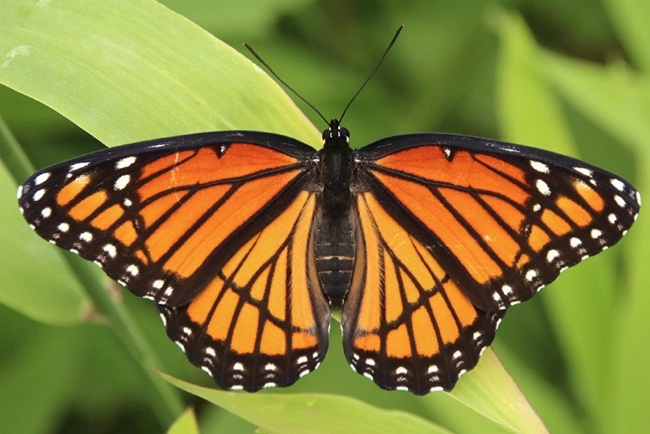
This isn't going to be a dry textbook entry. Think of it as a chat with someone who's been fascinated (and occasionally frustrated) by butterflies for years. We'll dig into the incredible transformation they go through, figure out how to actually get them to visit your yard and stick around, and unpack the heavy symbolic baggage we humans have piled onto their delicate wings. By the end, you'll look at the next butterfly you see in a completely different way.
The Four-Act Play: Understanding the Butterfly Life Cycle
Everyone knows butterflies start as caterpillars, but the real story is in the details. It's a four-stage process called complete metamorphosis, and each stage is a masterclass in adaptation and survival.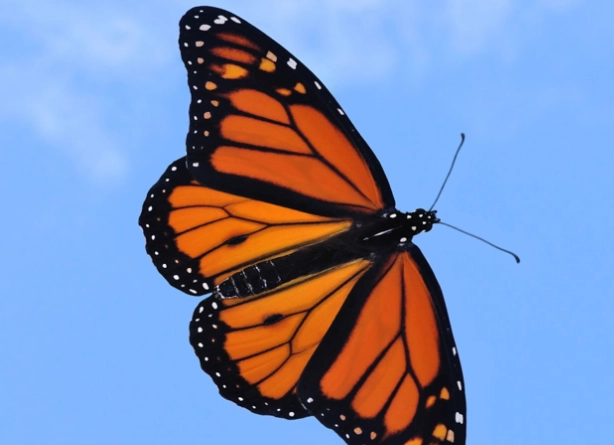
Act 1: The Egg – A Tiny Promise
It all starts with an egg, often smaller than a pinhead. A female butterfly is incredibly picky about where she lays these eggs. She'll tap leaves with her feet, "tasting" them to make sure it's the specific host plant her caterpillars will need to eat. Monarchs, for example, must have milkweed. No milkweed, no monarchs. She might lay one egg or hundreds, depending on the species. The eggshell is called the chorion, and it has a tiny funnel-shaped opening called the micropyle, which lets sperm in for fertilization. How's that for a detail you don't usually hear?
A quick thought: We often miss this stage entirely. Next time you're near milkweed, fennel, or parsley, turn over the leaves. You might find these tiny, sculpted jewels attached. It's like finding a secret.
Act 2: The Caterpillar (Larva) – The Eating Machine
This is the all-you-can-eat buffet stage. The caterpillar's sole purpose is to consume and grow. And I mean grow. It can increase its body mass thousands of times in just a couple of weeks. To do this, it sheds its skin (molts) several times. Each stage between molts is called an instar.
They're not defenseless, though. Some have camouflage that makes them look like bird droppings (seriously, look up the Giant Swallowtail caterpillar). Others have bright warning colors and are toxic from the plants they eat. The Monarch caterpillar sequesters toxins from the milkweed, making it poisonous to birds. Pretty clever for a creature that's basically a stomach with legs.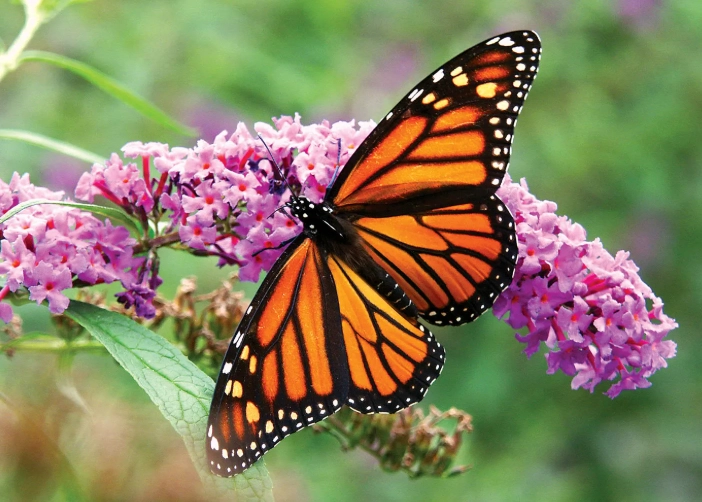
Act 3: The Chrysalis (Pupa) – The Alchemy
This is the part that blows my mind every single time. When the caterpillar is ready, it finds a safe spot, sheds its larval skin for the last time, and reveals the chrysalis. Inside, it's not just growing wings. Almost everything liquefies. Special cells called imaginal discs, which have been present since the caterpillar stage, use the nutrient soup to build entirely new structures—wings, legs, compound eyes, a proboscis. It's a complete biological overhaul. Calling it a "resting stage" is a massive understatement. It's a frantic, invisible reconstruction project.
The process inside the chrysalis is one of nature's most radical redesigns. The caterpillar's body essentially dissolves into a cellular broth, from which the adult butterfly's form is meticulously assembled. It's less like wrapping a present and more like rebuilding an airplane mid-flight.
Act 4: The Adult (Imago) – The Short Flight
When the transformation is complete, the chrysalis becomes transparent, and the adult butterfly emerges. Its wings are crumpled and wet. It must pump hemolymph (insect "blood") into the wing veins to expand them, then wait for them to dry and harden before it can take its first flight.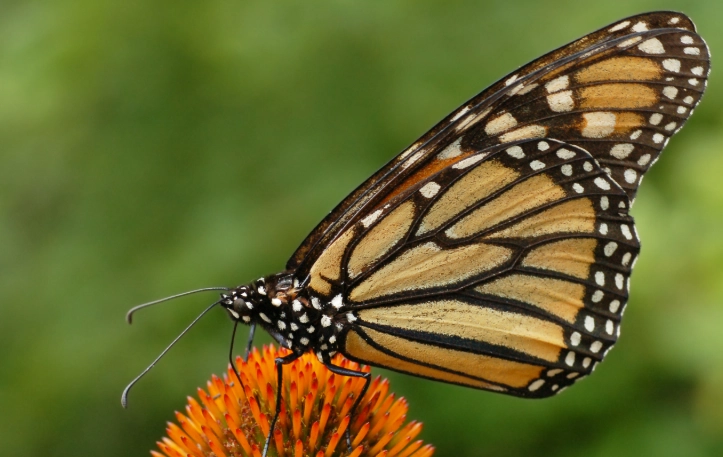
This final stage is all about reproduction. The adult butterfly's goal is to find a mate and, for the female, to find the right plants to lay eggs on, starting the cycle again. The adult lifespan is shockingly short for many species—often just a few weeks. Some, like the Mourning Cloak, can live for months by hibernating as adults. And then there's the famous Monarch migration, where one generation lives for 8-9 months to make an epic journey.
My failed experiment: I once tried to raise Painted Lady butterflies from a kit. The caterpillars did great, formed chrysalises perfectly... and then half the butterflies emerged with crumpled wings that never expanded. It was heartbreaking. The issue? Humidity was too low in the room. A small detail I overlooked had big consequences. It taught me that this process, while robust in nature, is fragile in our hands.
How to Turn Your Garden into a Butterfly Paradise
Want to see more butterflies? It's not luck. It's strategy. You need to cater to every stage of their life, not just the pretty flying one. A garden that only has nectar flowers is like a highway with no gas stations or hotels.
The Non-Negotiables: Skip the Pesticides
This is the most important rule. Insecticides don't discriminate. They will kill caterpillars and butterflies just as dead as the aphids you're targeting. Herbicides wipe out the "weeds" that are often crucial host plants (like milkweed for monarchs). If you're serious about attracting butterflies, you have to embrace a slightly wilder, more natural garden ethos. Tolerate some chewed leaves. It's a sign of life!
Plant for the Full Life Cycle: Host Plants are Key
This is where most butterfly gardens fall short. They plant pretty flowers but forget the nursery.
- Monarchs: Need milkweed (Asclepias species). It's the only thing their caterpillars eat. Try Common Milkweed, Swamp Milkweed, or Butterfly Weed.
- Black Swallowtails: Love plants in the carrot family (Apiaceae). Plant dill, fennel, parsley, or rue. Let some of it go to flower.
- Eastern Tiger Swallowtails: Their caterpillars eat the leaves of trees like wild cherry, tulip poplar, and ash.
- Painted Ladies: Often use thistles, mallows, or hollyhocks.
The best resource I've found for native host plants in North America is the Xerces Society's regional plant lists. They're a fantastic invertebrate conservation non-profit.
Nectar Cafés: Fuel for the Adults
Butterflies need high-energy nectar. They prefer flowers with flat, clustered blooms or short tubes that provide a good landing pad. Think of their proboscis like a straw—they need a place to perch while they drink.
| Plant Name | Color | Bloom Time | Why Butterflies Love It |
|---|---|---|---|
| Coneflower (Echinacea) | Purple, Pink, White | Summer to Fall | Large, flat center is perfect for perching. A reliable long-bloomer. |
| Lantana | Multi-color clusters | Summer until Frost | Continuous blooms, rich in nectar. Heat and drought tolerant. |
| Butterfly Bush (Buddleia)* | Purple, Pink, White | Summer to Fall | The name says it all. Massive flower spikes are irresistible. |
| Zinnia | Nearly every color | Summer to Fall | Easy to grow from seed. The single-flowered varieties are best. |
| Verbena | Purple, Red, Pink | Spring to Fall | Spreading habit with clusters of tiny flowers. A great ground cover. |
*A note on Butterfly Bush: It's controversial. In many areas, it's invasive and spreads aggressively. It also provides nectar but no value as a host plant—it's like junk food. I've mostly replaced mine with native alternatives like Buttonbush (Cephalanthus) or New Jersey Tea (Ceanothus americanus), which support the whole ecosystem. The U.S. Fish & Wildlife Service has great tips on native gardening that go beyond just butterflies.
Don't Forget the Extras: Sun, Water, and Stones
Butterflies are cold-blooded. They need to bask in the sun to warm their flight muscles. Provide flat stones in sunny spots. They also need water, but not deep sources. Create a "puddle club" by filling a shallow dish with sand or mud and keeping it moist. Males often gather at these spots to sip minerals, a behavior called "puddling."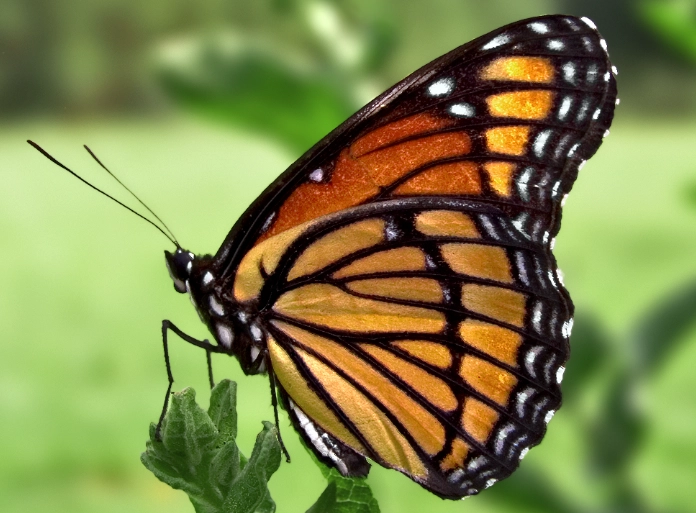
Is it worth the effort? Absolutely. The first time you see a female butterfly carefully laying eggs on a plant you specifically put there for her, it feels like a real connection. You're not just watching nature; you're participating in it.
What Does a Butterfly Really Mean? Unpacking the Symbolism
We project a lot onto butterflies. Their transformation makes them a universal symbol of change, hope, and the soul. But the symbolism gets interesting when you look at the specifics.
In many cultures, the butterfly represents the soul or the afterlife. The ancient Greek word for butterfly is "psyche," which also means soul. In Chinese culture, two butterflies flying together symbolize undying love (think of the butterfly lovers legend, Liang Zhu). In Irish folklore, a butterfly near a deathbed or a corpse was seen as the soul departing.
In modern times, the butterfly has become a powerful symbol of personal transformation, recovery, and new beginnings. Organizations supporting people through grief or major life changes often use the butterfly image. It's a reminder that profound, beautiful change is possible, even if it involves a period of difficulty or darkness (the chrysalis stage).
But here's a personal take: sometimes I think we romanticize it too much. The caterpillar doesn't choose to change; it's driven by instinct and hormones. The process inside the chrysalis isn't peaceful contemplation—it's a near-total dissolution. The butterfly's life is often brief and focused solely on reproduction. The symbolism is beautiful and comforting, but the biological reality is more brutal and purposeful. Both perspectives are true, and that tension is what makes the butterfly so compelling.
Who's Who? A Quick Guide to Common Butterfly Visitors
You don't need to be an expert to start recognizing a few common faces. Here's a quick rundown of some butterflies you're likely to see in many parts of North America and what makes them special.
- Monarch: The classic. Orange with black veins and white spots on the black borders. Famous for its multi-generational migration. The caterpillar is yellow, white, and black-banded and eats only milkweed.
- Eastern Tiger Swallowtail: Large, with striking yellow wings and black tiger stripes. Females can sometimes be a dark, almost black morph. A powerful, graceful flier.
- Painted Lady: Often confused with the Monarch, but smaller, with more intricate orange, black, and white patterns on the topside and intricate eye-spots on the underside. A global wanderer.
- Cabbage White: Small, white with black spots. Often the first butterfly of spring and the last of fall. The caterpillar is a velvety green and, true to its name, loves brassicas like cabbage and kale (the bane of vegetable gardeners).
- Red Admiral: Striking black wings with red bands and white spots. Very territorial and often aggressive towards other butterflies. Loves tree sap and rotting fruit as much as flowers.
For true, in-depth identification with range maps and photos, I always end up on the Butterflies and Moths of North America (BAMONA) website. It's a citizen-science project that's incredibly useful.
Your Butterfly Questions, Answered
This is the big one. General rules: Butterflies are usually diurnal (active by day), have clubbed antennae, rest with wings held vertically together, and tend to have slender, smooth bodies. Moths are often nocturnal, have feathery or filament-like antennae, rest with wings spread flat or tent-like, and often have thicker, furrier bodies. But there are exceptions! Some moths are day-flyers and are stunningly colorful.
It varies wildly by species. The adult stage of many common garden butterflies (like Cabbage Whites or Painted Ladies) may only last 2-4 weeks. Some, like the Mourning Cloak, can live 10-11 months as adults by hibernating through winter. The migrating generation of the Monarch lives 8-9 months.
They enter a state of rest called torpor. At night or in cool weather, they become inactive, often hanging upside down under leaves or in dense vegetation. Their metabolism slows down, and they are much easier to approach.
Primarily defense. The sudden flash of large, eye-like patterns can startle a predator (like a bird) long enough for the butterfly to escape. They can also draw attacks away from the butterfly's vital body to the more expendable wing margins.
Sadly, many are. Habitat loss, pesticide use, climate change, and disease are major threats. Monarch populations have declined significantly. The good news? The actions we talked about—planting native host and nectar plants, avoiding pesticides—directly help. Your garden can be a miniature wildlife refuge. Organizations like the Xerces Society work on large-scale conservation you can support.
Wrapping It Up: A New Perspective on the Wing
So, the next time a butterfly flits by, you'll see more than a pretty insect. You'll see a survivor that has undergone one of life's most dramatic transformations. You'll see a pollinator with specific tastes in real estate (the right host plant) and food (the right nectar). You'll see a creature carrying thousands of years of human meaning on its back.
The story of the butterfly is a story of radical change, intricate ecological connections, and fleeting beauty. It's a story that happens in backyards, parks, and fields everywhere. By understanding their needs—from the specific leaf a caterpillar requires to the sunny stone an adult needs to warm up—we can make room for them. And in doing so, we make our own world a little more vibrant, a little more resilient, and a whole lot more interesting.
Start small. Plant one native host plant this season. Watch it. See who shows up. You might be surprised by the magic that lands in your own garden.