Fern Care Snapshot
I get it. You saw one of those gorgeous, leafy Boston ferns spilling out of a basket in a cafe or maybe a stunning Staghorn fern mounted on a piece of wood like a living sculpture. And you thought, "I need that in my life." I've been there. My first fern was a sad little Maidenhair I bought on a whim, and let's just say it didn't end well. Too much direct sun, not enough humidity—I made all the classic mistakes. But that's the thing about ferns, they're forgiving teachers if you listen to them. They're not like your average succulent you can forget about for a month. They have needs, but meeting them is incredibly rewarding. This isn't just a plant guide; it's a conversation from one plant lover to another about how to actually live with these prehistoric beauties.
Ferns have been around for over 360 million years, long before flowers ever existed. They don't produce seeds or flowers; they reproduce via spores, which is part of their ancient, mystical charm. That also means their care is a bit different from your typical flowering houseplant. They're mostly about the foliage—the fronds. And what foliage! From the delicate, lace-like fronds of the Maidenhair to the bold, architectural presence of a Bird's Nest fern, there's a type of fern for almost every aesthetic and skill level.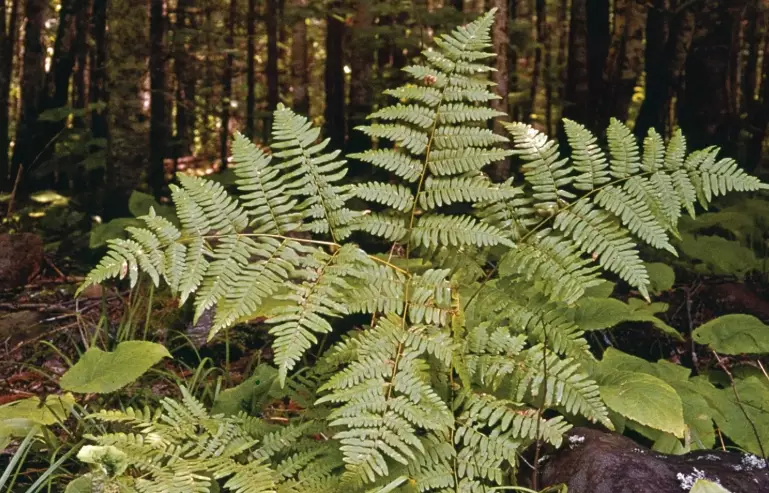
Fern Care 101: It's All About Recreating Their Happy Place
Forget complex fertilizer schedules or precise pruning techniques. The secret to a happy fern is understanding where it comes from. Picture this: the dappled light on a forest floor, constant moisture (but not soggy roots), and air that feels fresh and humid. That's your blueprint. If you can mimic even part of that environment, your fern will thrive.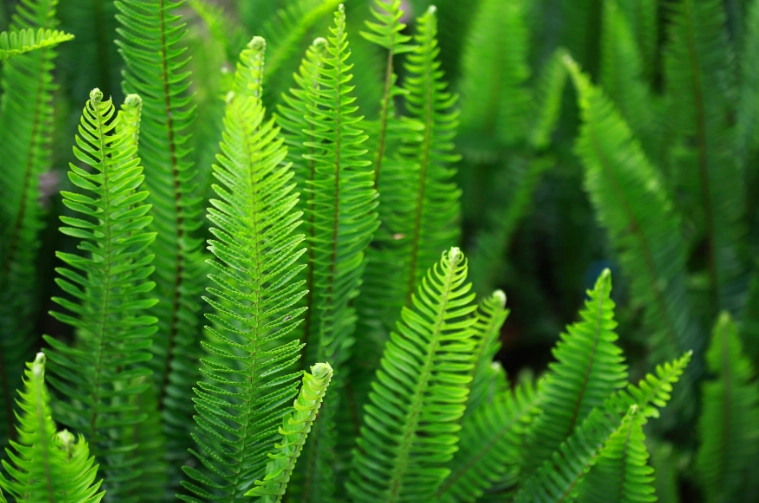
Light: The Goldilocks Principle
This is where most people, including past me, mess up. Ferns are not deep shade plants, despite the popular belief. They need light to photosynthesize and grow those beautiful fronds. But they hate direct, harsh sun. It scorches their leaves faster than you can say "crispy."
You want bright, indirect light. A north-facing window is often perfect. An east-facing window that gets gentle morning sun is fantastic. A south or west window? You'll need to pull the fern back several feet or use a sheer curtain as a filter. If the fronds are looking pale, stretched out, and sparse, it's begging for more light. If they're turning yellow or brown with a bleached, crispy texture, it's getting too much direct sun.
Water and Humidity: The Dynamic Duo
This is the heart of fern care, and where the drama usually unfolds. Watering and humidity are deeply connected.
Watering: The goal is consistently moist soil. Not waterlogged, not swampy, but like a well-wrung-out sponge. Stick your finger an inch into the soil. If it feels dry, it's time to water. I prefer watering thoroughly until water runs out the drainage holes (crucial!), then letting the pot drain completely in the sink before putting it back. Never let your fern sit in a saucer of water—root rot is a silent killer. In winter, they'll drink less. In a hot, bright summer, they might need water twice a week.
Humidity: Ah, the big one. Dry air is a fern's nemesis. Browning leaf tips are the classic cry for help. Most homes, especially with AC or heating, are too dry. Here are your weapons:
- The Pebble Tray: Simple and effective. Fill a shallow tray with pebbles and water, set the pot on top (not *in* the water). As the water evaporates, it creates a mini humid microclimate.
- Grouping Plants: Plants release moisture. Cluster your ferns with other humidity-loving plants (like Calatheas or Peace Lilies) to create a supportive community.
- The Humidifier: The nuclear option, and the best one. A small cool-mist humidifier nearby will make your ferns (and your skin) sing. I run mine almost daily in the winter and my Staghorn fern has never looked better.
- Misting: Controversial opinion: I find misting largely useless. It raises humidity for about 5 minutes and can promote fungal issues on the leaves if done too much. I'd focus on the methods above.
Soil and Food: Keeping It Simple
Ferns need a potting mix that retains moisture but also drains exceptionally well—a tricky balance. A standard houseplant soil is often too dense. I mix my own: two parts regular potting mix, one part perlite, and one part peat moss or coco coir for moisture retention. You can also find pre-mixed "African Violet" or "Orchid" mixes that work well with added perlite.
Fertilizer? Less is more. During the active growing season (spring and summer), a half-strength dose of a balanced liquid fertilizer (like a 10-10-10) once a month is plenty. Stop fertilizing in fall and winter. Over-fertilizing leads to salt buildup and burnt roots.
The Great Indoor Fern Lineup: Which One is Your Soulmate?
Not all ferns are created equal. Some are tough as nails, others are divas. Choosing the right one for your environment is 80% of the battle. Let's break down some of the most popular types of ferns you'll encounter.
| Fern Variety | Key Personality Traits | Light Needs | Humidity Demands | Best For... |
|---|---|---|---|---|
| Boston Fern | The classic. Lush, arching fronds. Fast grower. | Medium to bright indirect | Moderate to High | Hanging baskets, filling empty corners. |
| Staghorn Fern | Epiphytic (grows on trees). Dramatic, antler-like fronds. | Bright indirect | Moderate | Mounting on boards or in baskets. A living wall art piece. |
| Maidenhair Fern | The delicate beauty. Black stems, tiny green leaflets. | Medium indirect | VERY High | Experienced plant parents or terrariums. A true test. |
| Bird's Nest Fern | Structured, with wide, uncut fronds that form a central "nest." | Low to medium indirect | Moderate | Low-light spots (bathrooms!). Very forgiving. |
| Blue Star Fern | Unique blue-green tint. Leathery, durable fronds. | Low to medium indirect | Moderate | Beginners. Tolerates lower humidity and occasional dryness. |
| Button Fern | Small, round leaflets on dark stems. Compact growth. | Medium indirect | Moderate | Desktops, small spaces. Neat and tidy appearance. |
My personal favorite? The Bird's Nest fern. It was my redemption fern after the Maidenhair disaster. It's tough, handles my occasionally forgetful watering, and thrives in my lower-light bathroom. The Staghorn is a close second for its sheer wow factor, but it requires a bit more intentional care.
Fern Troubleshooting: Reading the Fronds
Your fern will tell you what's wrong. You just have to learn its language.
- Brown, Crispy Leaf Tips or Edges: This is almost always low humidity or underwatering. Check your soil moisture and boost the humidity first.
- Yellowing Fronds, Especially Lower Ones: Could be natural aging (old fronds die off), but if widespread, it's often overwatering. Check for soggy soil and poor drainage. Let it dry out a bit more between waterings.
- Pale, Leggy Growth with Large Gaps Between Leaves: Not enough light. Move it to a brighter spot (indirectly!).
- Fronds Turning Greyish or Drooping Limply: Usually underwatering. Give it a good soak.
- Brown Spots on Leaves: Could be sunburn (if spots are dry and bleached) or a fungal issue from misting/overwatering (if spots are soft). Adjust light or watering habits.
Pests? Ferns can get scale, mealybugs, and spider mites, especially in dry conditions. Spider mites love a stressed, dry fern. Regular inspection and a quick wipe-down of the fronds with a damp cloth can prevent most issues. For infestations, insecticidal soap or neem oil solutions are your go-to. The Royal Horticultural Society has a great, practical guide on dealing with common houseplant pests that applies perfectly to ferns (RHS Pest Guide).
Propagation: Making More Fern Babies
This is where ferns get really cool. You can't just take a stem cutting. The most common way is by division. When you repot a mature, healthy fern in the spring, you can gently pull or cut the root ball into two or more sections, each with several healthy fronds and roots. Pot them up separately, keep them humid, and you've got new plants! Some ferns, like the Rabbit's Foot fern, have fuzzy rhizomes that creep over the pot; you can cut a piece with a few fronds attached and root it. And then there are the spores... but that's a whole scientific project for another day. The Missouri Botanical Garden's plant finder is an excellent resource to check the specific propagation methods for your fern type, as it varies (Missouri Botanical Garden Plant Finder).
Frequently Asked Fern Questions (The Real Ones People Ask)
The Final Frond
Look, keeping a fern alive isn't about having a green thumb. It's about paying attention. It's about noticing the air in your home, the quality of light in a corner, and the weight of a pot. Start with a forgiving variety like a Bird's Nest or Blue Star fern. Master the watering and humidity for that one plant. Then maybe try a Boston. Then, when you're feeling confident, maybe take on the Maidenhair. It's a journey.
These ancient plants connect us to a wilder, greener world. They demand a bit more from us than a pothos, but what they give back in texture, life, and sheer presence is worth it. Don't be afraid of a few brown tips—they're just notes in the conversation between you and your plant. Now go find your fern. And maybe keep a humidifier in your cart.